

BLOG
Yelo Autosports
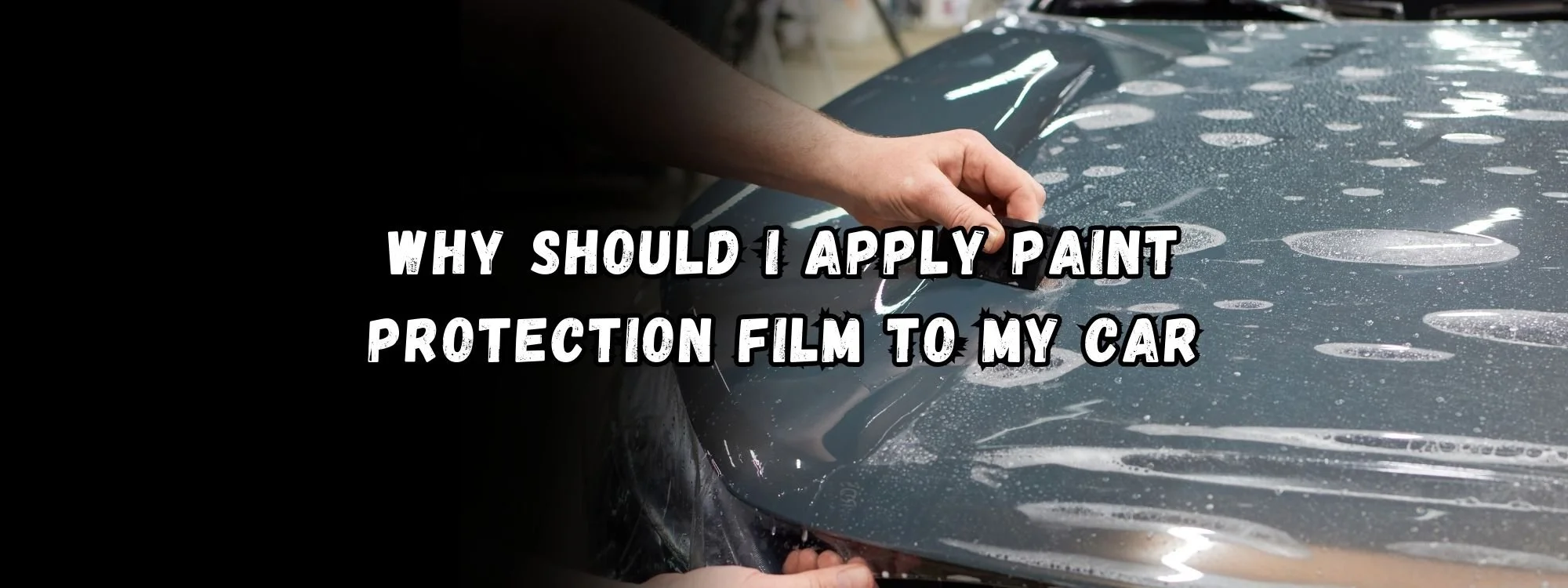
Why Should I Apply Paint Protection Film My Car
Learn why Paint Protection Film (PPF) is the best defense against rock chips, ice, snow, and harsh Minnesota weather. In this blog we explain how clear film protection preserves your paint, protects high-impact areas, and keeps your vehicle looking new.
Living in Saint Paul, Minneapolis, and anywhere in Minnesota means your vehicle is constantly battling harsh weather, snow, salt, and nonstop rock chips. Because of this, many drivers look for long-term paint protection that actually works in real Minnesota weather. One of the strongest and most reliable options available today is PPF (Paint Protection Film), sometimes called clear bra or clear film protection.
At Yelo Autosports, we install professional-grade PPF that helps protect your vehicle’s paint from damage while keeping it looking clean and new. If you’ve never heard of paint protection film before, here’s a simple breakdown of why it’s so effective — especially in Minnesota.
What Is PPF and Why Does It Protect Better Than Anything Else?
PPF is a clear, flexible film that is about 6–10 mil thick. It acts as a sacrificial shield on top of your paint. Instead of your paint taking the hit, the film absorbs the impact from rock chips, road debris, salt chunks, ice, and other hazards you see all winter in Minnesota.
Along with impact protection, PPF also helps guard against bird droppings, tree sap, bug acids, and hard water spots. These contaminants can stain or permanently damage paint, but PPF blocks them from reaching the surface. This means your vehicle stays looking newer for much longer, even in rough Minnesota weather.
How PPF Helps Your Vehicle Keep a Higher Resale Value
A car with protected paint almost always sells for more — and sells faster.
Buyers love seeing that a vehicle has PPF, because it shows the owner cared about rock chip protection and overall maintenance. With PPF installed, the paint underneath typically stays in excellent condition. That’s important because original paint is worth more than repainted panels. It signals to buyers that the vehicle hasn’t needed major paint repairs, hasn’t been sprayed over, and hasn’t suffered heavy chip damage.
In simple terms:
PPF helps your car look newer, stay cleaner, and hold more value.
Why Newer Vehicles Benefit Most From Installing PPF Early
When your vehicle is new, its paint is at its most pristine, free from rock chip damage. Installing PPF early offers maximum protection from day one. Additionally, PPF has built-in UV inhibitors that help prevent paint fade. Most high-quality films are rated to last up to 10 years, making it a long-term investment. We want to begin the protection from day one. Installing PPF early gives you the longest lifespan and the cleanest look for the years ahead.
Why Professional PPF Installation Is So Important
Installign PPF requires precision, training, and paint-focused attention. A professional installer at Yelo Autosports will:
Align the film correctly
Wrap or roll edges for the cleanest finish
Apply the film without bubbles or debris
Seal edges correctly so winter ice and salt don’t get underneath
Poor installation can lead to lifted edges, trapped debris, visible seams, or early peeling — especially during Minnesota winters where moisture and ice work their way into poorly installed film.
A professional install ensures the film sits smooth, looks clean, and performs exactly as intended.
Why PPF Is Especially Important for High-Impact Areas
The areas that take the most beating in Minnesota weather are:
Front bumper
Hood
Front fenders
Mirrors
These parts constantly get blasted with rock chips, salt, ice, sand, and debris. Repairing or repainting these areas can cost anywhere from $500 to $1,000+ per panel, and even then, a repaint is never a perfect match to the factory finish.
With PPF, you reduce the need for repainting and keep the original paint in great condition. The film takes the damage so your paint doesn’t have to.
For anyone who wants long-term rock chip protection or cares about appearance and resale value, protecting the front of the vehicle is one of the smartest choices you can make.
Final Thoughts: Why PPF Makes Sense for Minnesota Drivers
Between snow, ice, salt, sand, and fast-moving debris on winter roads, Minnesota vehicles face some of the harshest driving conditions in the country. PPF gives your vehicle a fighting chance, preserving your paint and maintaining your car’s value for years.
At Yelo Autosports, we install high-quality PPF designed to withstand Minnesota’s unique weather challenges while keeping your vehicle looking clean and protected. Whether you’re driving daily through Saint Paul or Minneapolis, or you just want the best clear film protection available, PPF is the strongest long-term solution for your vehicle.
A video about STEK DynoShield Paint Protection Film used here at Yelo Autosports
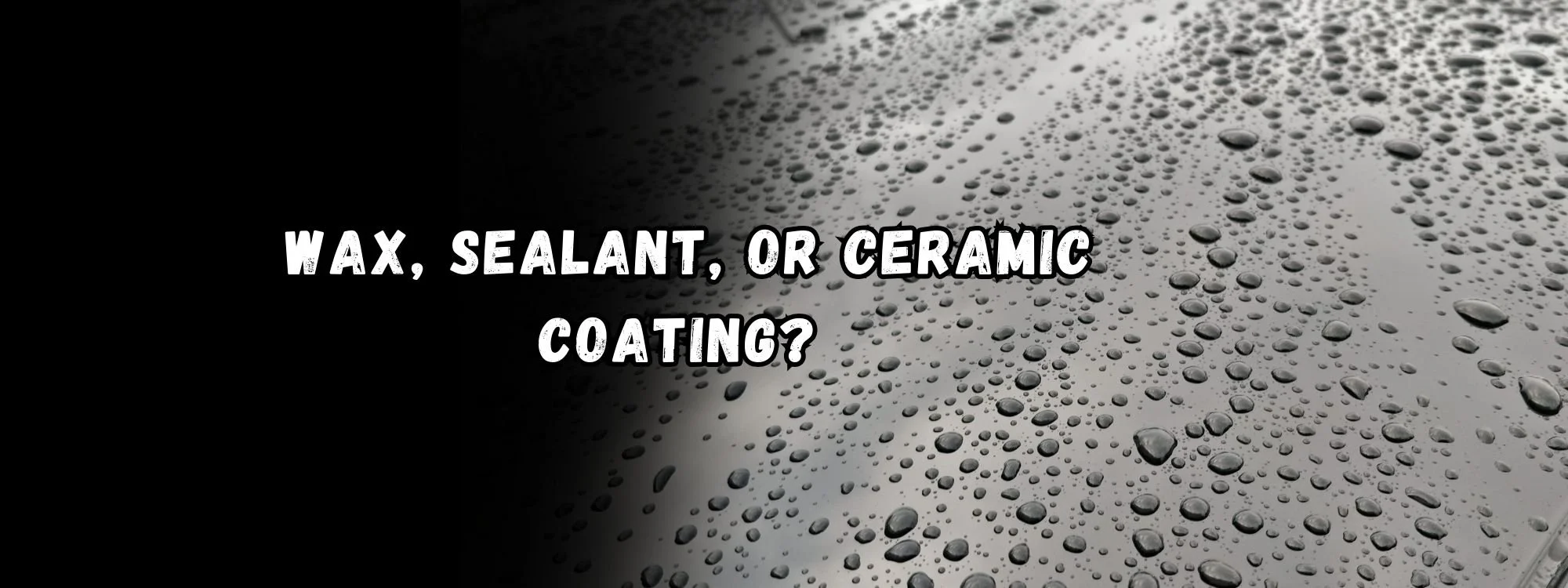
Wax, Sealant, or Ceramic Coating? Understanding the Best Paint Protection for Minnesota Drivers
Learn the difference between wax, sealant, and ceramic coating for Minnesota drivers. Discover the best paint protection for Saint Paul and Minneapolis vehicles.
If you drive in Saint Paul, Minneapolis, or anywhere in Minnesota, protecting your vehicle’s paint is a major part of car maintenance, especially with the constant cold weather, harsh winters, road salt, and brine exposure. At Yelo Autosports, we help clients choose between wax, sealant, and ceramic coating because each option serves a different purpose in long-term car protection and paint preservation.
Wax – Basic Shine, Light Protection, Short Lifespan
Wax is the simplest form of paint protection used in auto detailing. It gives the vehicle a nice shine and provides a temporary barrier, but since wax does not bond to the paint, it breaks down quickly—especially in Minnesota’s extreme climate. Road salt, brine, snow, and constant washing remove wax in weeks or just a couple of months. Wax is ideal for someone who wants immediate gloss or plans to reapply often, but it is not built for lasting protection in harsh conditions like Saint Paul or Minneapolis.
Sealant – More Durable Than Wax, Still a Surface Layer
Sealant offers greater durability than wax and provides improved resistance to UV rays and heat. It’s a strong choice for seasonal protection or for someone who wants a step up without committing to ceramic coating. However, sealants still degrade in Minnesota’s winter environment. Freeze–thaw cycles, salt, and abrasive slush slowly erode the layer. Sealant is better than wax for car protection, but still not a long-term solution for tough climates.
Ceramic Coating – Long-Term, High-Performance Protection
Ceramic coating provides the strongest and most durable protection in Minnesota. Unlike wax or sealants, ceramic coatings chemically bond to the vehicle’s clear coat and create a long-lasting protective barrier. This layer resists UV damage, reduces staining from bird droppings, and keeps the car cleaner longer. Ceramic coatings enhance gloss and preserve the vehicle’s finish for years. While not a rock-chip protector, ceramic coatings offer unmatched environmental protection.
Who Should Consider Ceramic Coating?
Ceramic coating is ideal for clients who treat their vehicle as a luxury, weekend, or enthusiast car. These owners value long-term shine and want to preserve their paint. Daily drivers can benefit too, but constant exposure to salt and weather fluctuations in Minnesota can wear coatings down faster if the vehicle is not maintained properly. For someone who cares about long-term protection and wants the best defense in Minneapolis or Saint Paul, ceramic coating is the strongest investment.
Durability Differences – Wax vs. Sealant vs. Ceramic Coating
Wax is the shortest-lasting option and often needs frequent reapplication. Sealant lasts longer—several months depending on conditions. Ceramic coating lasts anywhere from three to nine years depending on the specific coating and how well the car is maintained. With proper care, ceramic coatings often exceed their stated lifespan, offering the highest level of protection for Minnesota drivers.
Where Each Product Sits on the Paint
Wax and sealants rest on the surface of the clear coat, making them vulnerable to being washed away. Ceramic coatings bond directly to the clear coat, forming a stronger, more durable protective barrier. This is why ceramic coatings outperform traditional products in both durability and overall paint preservation.
Best Time to Apply Protection in Minnesota
The best time for any type of paint protection is either right before winter begins or immediately after winter ends. Applying protection before winter gives your paint some defense against road salt and brine. Applying it after winter helps maximize the lifespan because the coating avoids immediate exposure to harsh chemicals. Both seasonal windows are ideal depending on your goals.
Why Ceramic Coating Is Worth the Investment
Ceramic coating costs more upfront, but its durability and strength make it the best long-term value. It protects against UV damage, environmental wear, and surface contamination while keeping maintenance simple. Wax and sealant wear out quickly and require constant reapplication, while ceramic coatings maintain their effectiveness for years. For drivers in Minneapolis, Saint Paul, and throughout Minnesota who want lasting protection, ceramic coating is one of the strongest investments available today.
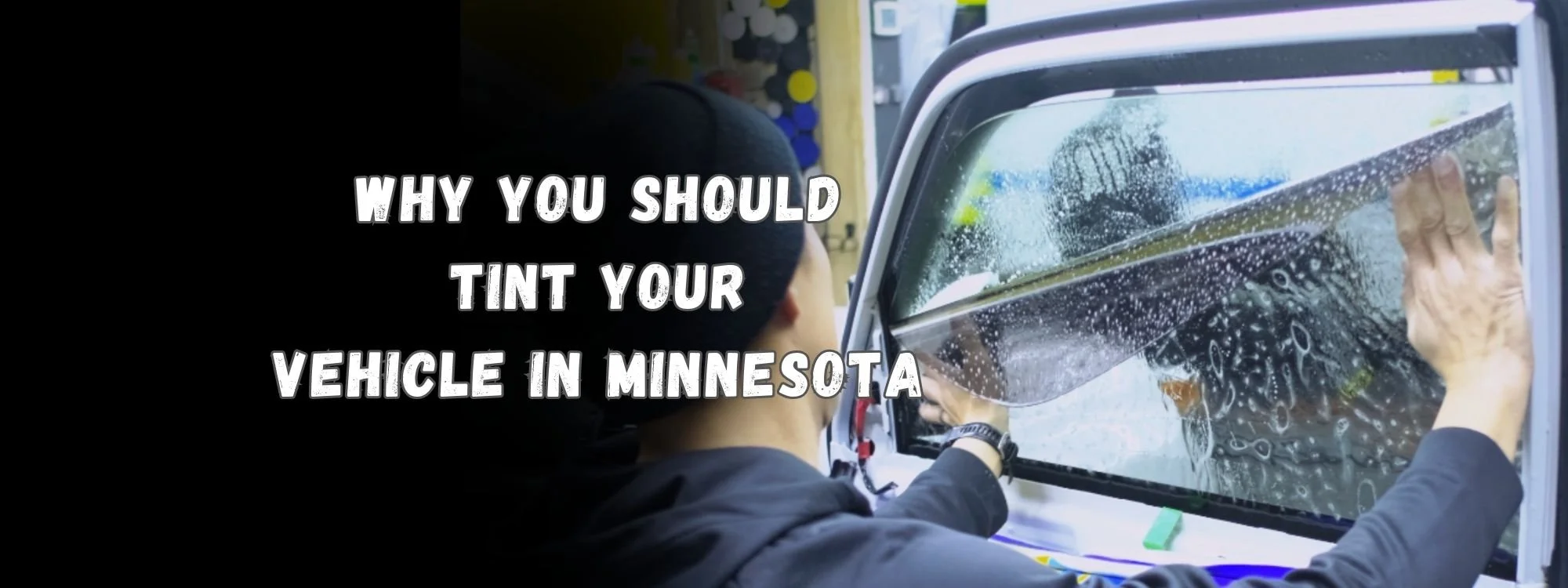
Why You Should Tint Your Windows ( Especially in Minnesota)
Window tinting in Minnesota isn’t just about style—it’s about comfort, protection, and year-round performance. With intense summer heat, strong UV exposure, and extreme seasonal temperature swings, professional automotive window tint helps keep your vehicle cooler, block harmful UV rays, and protect your interior from fading and cracking. High-quality ceramic window tint is especially effective for Minnesota drivers who commute through the Twin Cities, take summer road trips, and deal with harsh winter conditions. For anyone planning to keep their vehicle long-term, window tint is one of the smartest upgrades you can make for comfort, protection, and daily driving performance.
Why Window Tint Is One of the Best Upgrades for Your Vehicle in Minnesota
If you’ve ever wondered whether window tint is actually worth it, especially living here in Minnesota, this quick read will break it down simply. At Yelo Autosports, we tint hundreds of vehicles every year—from daily drivers to luxury rides—and the reasons why people tint are always pretty similar. It’s one of those upgrades that improves comfort, protection, and the overall look of your vehicle with one move.
Why Do People Tint Their Windows?
People tint their windows for different reasons. Some want that clean, sharp look. Some want more privacy. Others need UV protection because of skin concerns. And for a lot of folks who have kids in the back, tools in the truck bed, or valuables inside the car, tint helps reduce how easily others can see in. Tinting is one of those things that serves a purpose, but also makes the car look better at the same time, depending on what the driver wants.
How Tint Adds Privacy Without Making the Car Look “Too Dark”
Window tint simply darkens the glass, which makes it harder for people to see inside from the outside. You can still choose how dark you want it, so you don’t have to go extreme. But even a lighter shade gives you an added layer of privacy—especially if you drive around Saint Paul, Maplewood, or Minneapolis where cars are parked outside often and visibility matters. For families or people who carry work gear, it helps keep things out of sight.
Why Tint Makes a Huge Difference in Summer Comfort
Minnesota summers can get hot, and when that sun hits your skin through untinted glass, it gets uncomfortable fast. Ceramic tint solves that. Ceramic films absorb and reject heat before it enters the cabin, so your interior stays cooler and your AC doesn’t have to work as hard. It’s not just about shade—it’s literally blocking heat at the film before it even gets through the window. The result is a more comfortable drive and a cooler interior on long sunny days.
UV Protection: The Most Overlooked Benefit
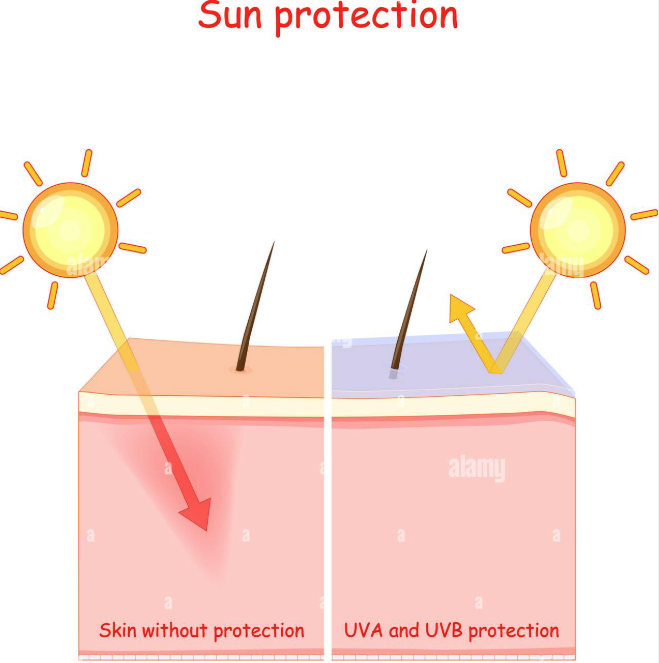
A lot of people forget how much sun exposure they get inside the car. UV rays come straight through clear glass, and that’s the same UV that damages skin and breaks down the interior panels, leather, plastics, and fabrics. UV is the number one reason dashboards crack and seats fade. Tint blocks up to 99% of UV rays, protecting your skin and preserving your vehicle long-term. For Minnesota drivers who spend hours commuting or traveling, this alone is worth it.
Ceramic Tint vs. Standard Tint — What’s the Difference?
Some people only want the look. In that case, a base carbon film works fine. But ceramic tint is for people who want the full benefits—heat rejection, UV protection, privacy, and long-term durability. Ceramic films use advanced technology to keep your cabin cooler and more comfortable. If you’re already investing in a nicer vehicle or you want long-term performance, ceramic tint is the better option.
Driving Comfort & Eye Strain
Driving in Minnesota winters means dealing with snow glare, reflection, and bright sun hitting white roads. In the summer, the sun angle is sharp and harsh as well. Tint works like sunglasses for your windows. It cuts glare, reduces that sharp brightness, and makes the road easier to look at. You strain your eyes less, and the cabin feels calmer and more comfortable to drive in year-round.
Why Professional Installation Matters
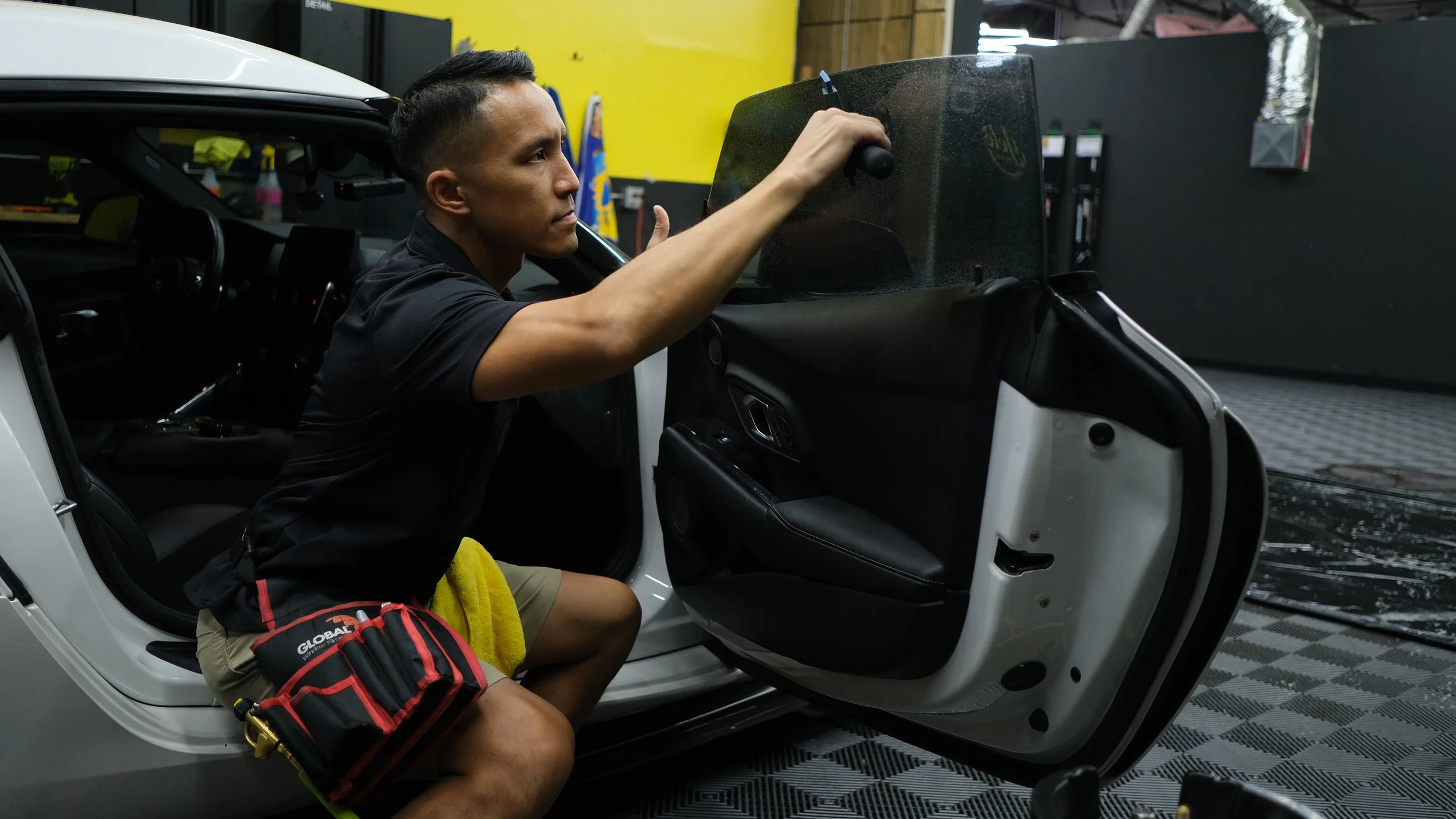
Window tint is a skill built through years of repetition. At Yelo Autosports, we’ve tinted thousands of vehicles, and we understand how different films shrink, lay, cure, and behave. DIY kits almost always lead to bubbling, creasing, scratches, contamination, and tint that doesn’t meet Minnesota laws. A professional install gives you a clean, flawless finish, proper fitment, and a lifetime warranty—something you don’t get with a DIY approach.
Final Thoughts — Is Tint Worth It?
Absolutely. If you live in Saint Paul, Maplewood, Minneapolis, or anywhere in the Twin Cities, window tint is one of the most practical upgrades you can do. You get privacy, UV protection, heat rejection, glare control, interior preservation, and a better driving experience—all in one service. And once people get their windows tinted once, they usually never want to go back to clear glass again.
If you’re considering tint and want honest advice, we’d love to help. Our team can explain the differences, help you choose the right shade, and walk you through what fits your needs best.
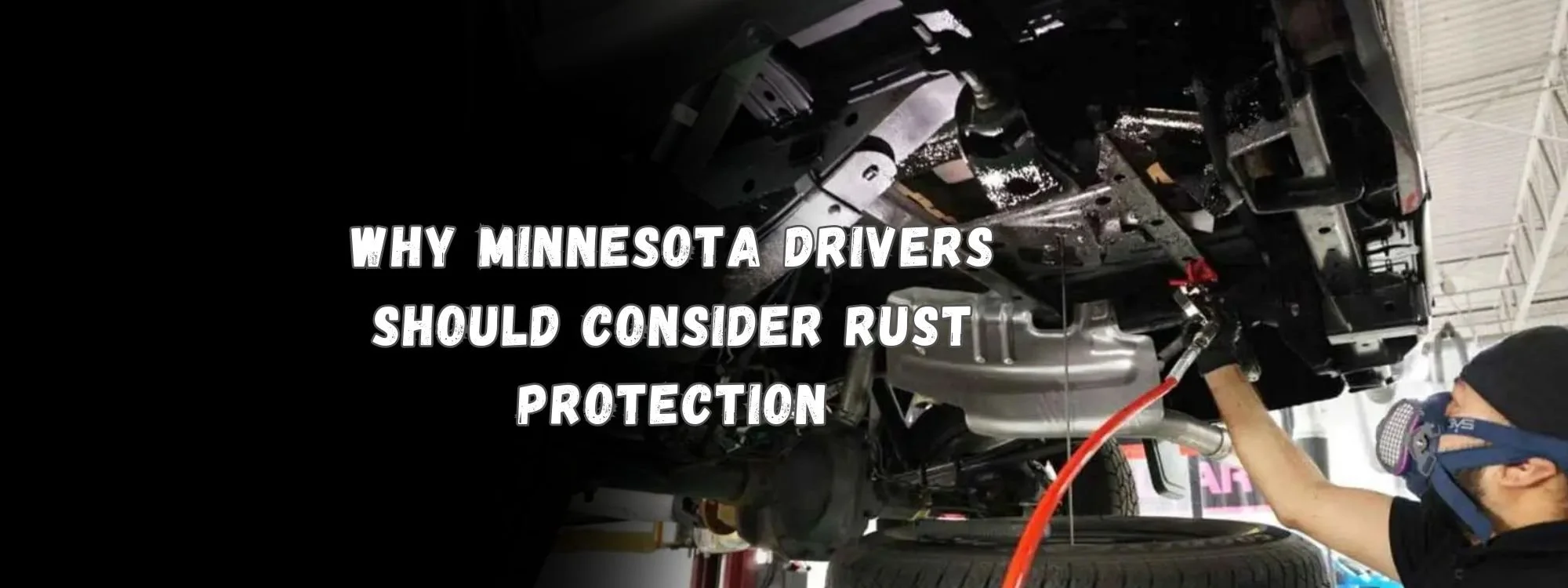
Lanolin Rust Protection: Why Minnesota Drivers Should Consider It
In this blog post, we cover why Minnesota drivers should consider rust protection. Being in a state that experiences so much snow, we are prone to salt, brine, and other road debris, making rust protection a key component to maintaining a clean vehicle for the long term.
Living in Minnesota means salt, slush, brine, snow, and constant freeze–thaw cycles every winter. These conditions take a serious toll on the underside of your vehicle—even on newer, high-value cars. At Yelo Autosports, we use lanolin-based rust protection because it performs extremely well in harsh winter environments and helps protect your investment long-term. All of our personal vehicles have lanolin on them and we have seen first hand how it’s preserved our frames.
Below, we break down the key questions most Minnesota drivers ask.
What is lanolin-based rust protection made from, and why does it bond well to my under carriage?
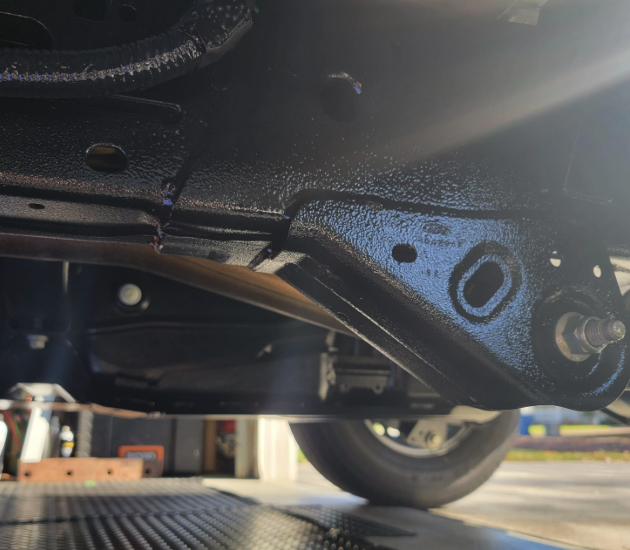
Lanolin rust protection is made from purified oils taken from sheep’s wool. It naturally repels water, stays flexible in freezing temperatures, and creeps into metal seams, bolts, welds, and gaps where traditional petroleum coatings can’t reach. Because it never hardens, it forms a self-healing barrier that keeps moisture and oxygen away from steel—the two things needed for rust to form. This deeper penetration makes lanolin more reliable than thick rubberized sprays, which can crack or trap moisture underneath.
Why is lanolin rust protection especially beneficial in Minnesota’s climate?
Minnesota’s winter driving conditions create the perfect environment for corrosion. Salt, brine solution, road slush, and temperature swings all work together to accelerate rust. Lanolin performs extremely well here because it doesn’t wash off easily and prevents salt from sticking to the metal. Even in sub-zero weather, it stays soft and protective rather than cracking. For Minnesota drivers, lanolin provides one of the best long-term barriers against corrosion caused by winter roads. As car enthusiasts at Yelo Autosports, we constantly buy and sell our own vehicles, and we know that it's tough to find a clean, rust-free vehicle, especially as you go back in years. This has even made some of us travel out of state!
How does lanolin actually stop rust from forming?
Rust happens only when metal, oxygen, and moisture interact. Lanolin stops this by bonding to the metal and pushing out moisture while coating the surface with a hydrophobic layer. This prevents the electrochemical reaction that creates rust. Unlike rubberized undercoating, lanolin doesn’t trap moisture—meaning it avoids creating hidden rust spots. And unlike cheap oil sprays that evaporate or drip off, lanolin stays in place for years.
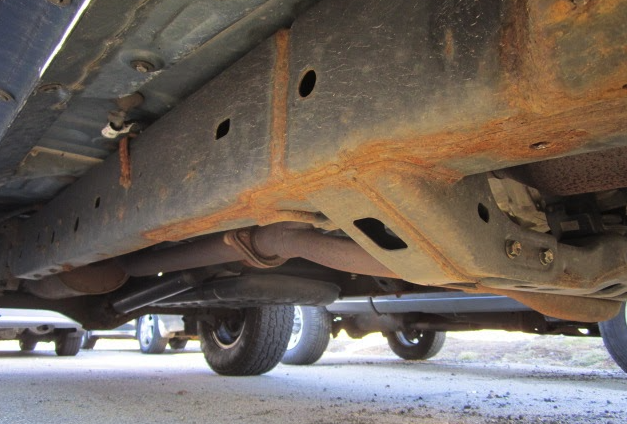
What preparation process does Yelo Autosports use before applying lanolin?
We start with a deep underbody power wash to remove salt, dirt, and road grime. If needed, we use degreasers to clean oily areas. After washing, the entire underside is dried thoroughly—lanolin bonds best to a clean, dry surface. Only then do we apply the lanolin coating to all exposed metal components, including frame rails, welds, suspension parts, brake lines, and fuel tank straps (excluding the exhaust). Each step ensures strong adhesion and long-lasting winter protection.
How long does lanolin rust protection last in Minnesota?
A lanolin application typically lasts 2–3 years, depending on driving habits and winter severity. Most Minnesota drivers experience around 18–24 months of solid performance. Mild winters or lower mileage can extend that timeframe, while heavy salt exposure or frequent gravel-road driving may shorten it slightly. Even in tough winters, lanolin lasts significantly longer than basic oil sprays. At the end of the day, we always say that prevention is the best solution if you are going to be driving your vehicle as an all year vehicle.
Which parts of a vehicle benefit most from lanolin, and why?
Any metal surface exposed to salt can corrode, but high-risk areas include frame rails, suspension components, rocker panels, weld seams, brake lines, fuel tank straps, and subframes. These are the parts that cost the most to repair once rust sets in. Lanolin protects these surfaces by creating a barrier so salt and moisture cannot sit directly on the metal, helping keep the underside clean, healthy, and structurally sound.
How can lanolin rust protection increase long-term enjoyment and resale value?
A clean, rust-free underside means fewer surprise repairs and a vehicle that stays safe and reliable longer. When you eventually sell your vehicle—especially one worth $60k or more—a rust-free underbody becomes a major selling point. Buyers, dealers, and inspectors all look underneath first. A clean frame and suspension signal proper maintenance and significantly boost resale value. If your interior is clean, the paint is polished, and the underside is protected, your vehicle stands out immediately in the Minnesota market. At Yelo autosports we have one goal, help you keep maximum value in your vehicle.
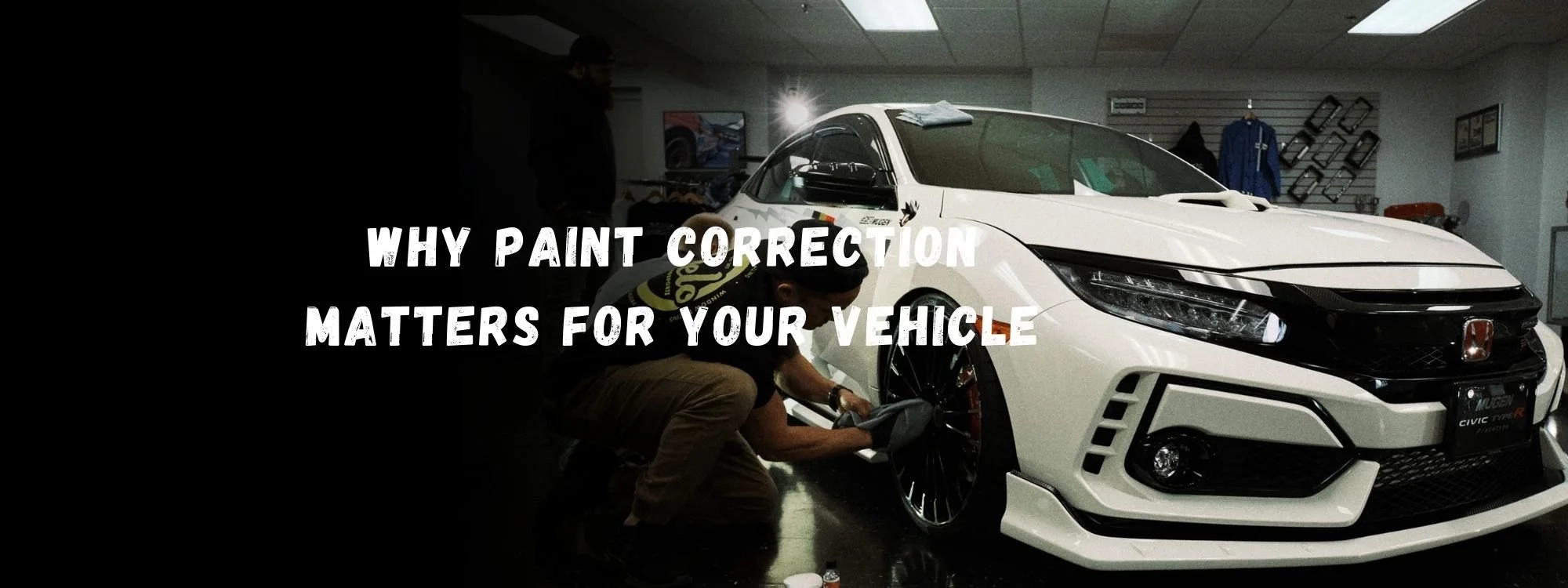
Why Paint Correction Matters for Your Vehicle (Twin Cities Car Owners Guide)
An Article covering the benefits of Paint correction for your car.
What does paint buffing mean? What is the difference between a basic machine polish and a true paint correction? Why does the difference matter for your vehicle?
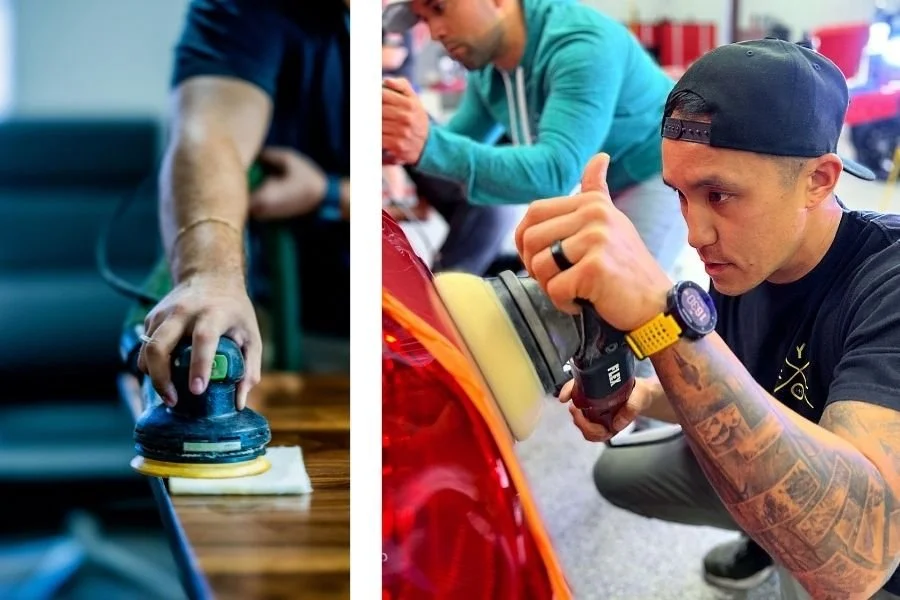
A buff can mean different things depending on someone’s level of experience. At Yelo Autosports here in the Twin Cities, when we talk about buffing, we’re referring to using a dual-action or rotary tool to refine the paint by removing a very small layer of clear coat. However, buffing alone is only one part of the paint correction process.
True paint correction is typically a multi-step procedure. The first step is cutting or buffing the paint to remove surface-level defects such as scratches, swirls, or oxidation. The second step is polishing, which isn’t as aggressive but focuses on maximizing clarity, depth, and gloss. Together, these steps level the clear coat and reveal a much cleaner, sharper finish.
The difference matters because a simple “quick polish” won’t fully remove defects, and the client may not get the clarity and depth they expect. Full paint correction gives them the best possible finish—one that truly looks brand new.
How do paint defects affect the overall look of the car’s paint?
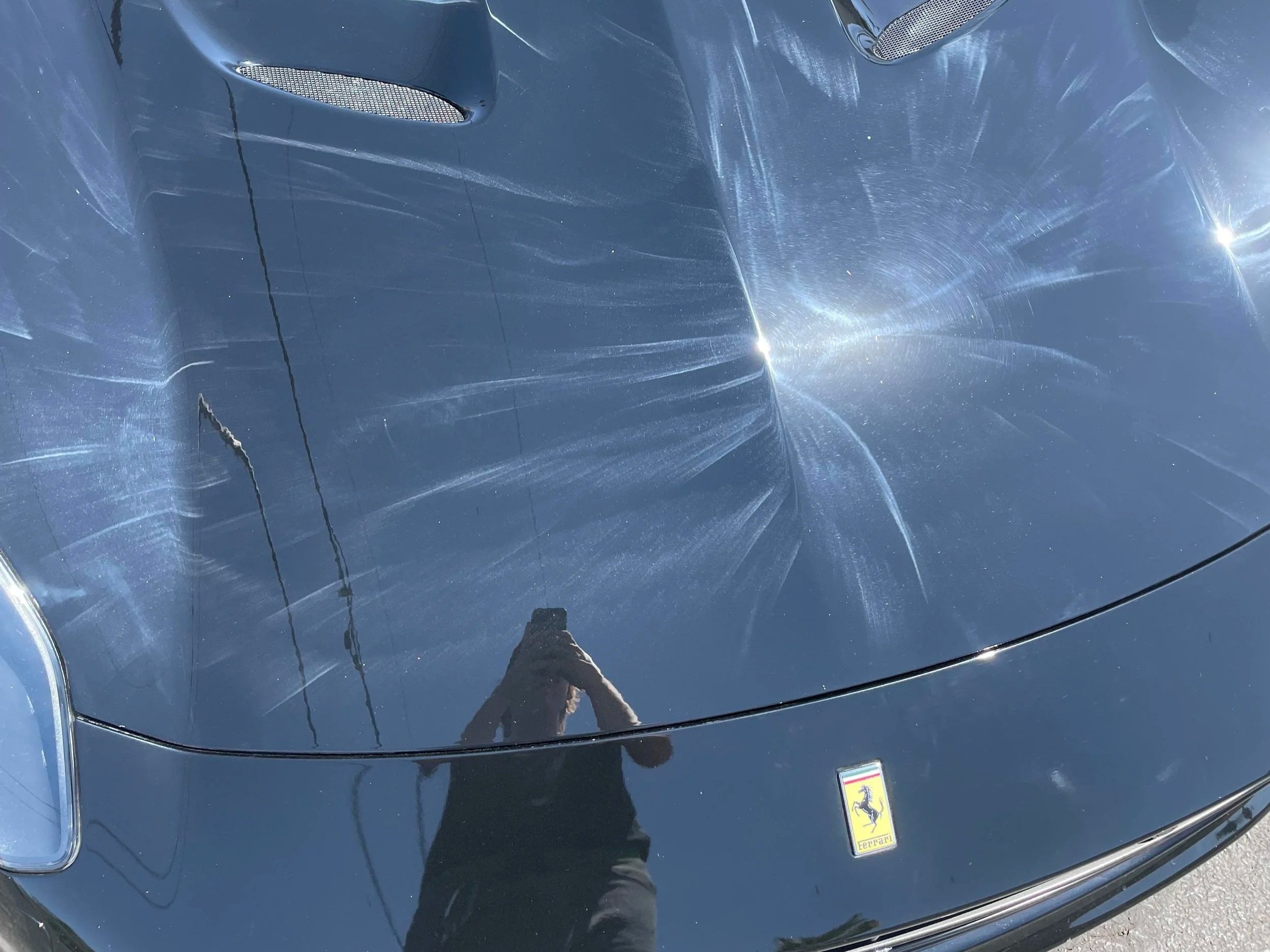
Clean paint means paint that is as free of defects as possible. Defects such as swirl marks, scratches, oxidation from the sun, sap stains, or Minnesota winter salt spots distract the eye from the true color and gloss of the vehicle. When we perform paint correction, we use professional tools to safely remove these surface imperfections and reveal the clean, undamaged paint underneath.
A defect-free finish allows the eye to focus on the true shine, depth, and richness of the color instead of noticing imperfections. This is why a corrected vehicle always looks dramatically glossier and more vibrant—especially under natural sunlight in places like Saint Paul and Minneapolis.
Why can inexperienced polishing permanently damage paint, and how does professional technique prevent thinning or burning the clear coat?
At Yelo Autosports, our team has spent over ten years specializing in paint correction and has worked on thousands of vehicles throughout Minnesota. We’ve also trained internationally to understand how paint systems behave and how much clear coat can safely be removed. This means we know what is realistically achievable, and we communicate that clearly to our clients.
Someone inexperienced can easily burn the paint, thin the clear coat too much, or create hologram damage that requires expensive repair. Our experience allows us to safely maximize results while preserving as much clear coat as possible. We focus on achieving the best finish without compromising long-term paint health.
Why might a new car still need correction?
Even though a vehicle is brand new, many people and environments touch the car before the client receives it—from manufacturing, shipping, storage, Minnesota dealership prep, and test drives. Dealership staff aren’t professional detailers, and they often wash or wipe vehicles without proper technique.
Because of this, brand new cars often arrive with swirl marks, washing scratches, or light surface defects. Our eyes are trained to notice these imperfections immediately, and we correct them so the client can experience the true potential of the paint—something most owners never get to see, even on day one.
Why must paint correction be done before applying ceramic coating?
Technically, a ceramic coating can be applied without correction, but at Yelo Autosports we aim for the highest level of finish and performance. A coating bonds onto the paint and acts as a protective layer. If the paint underneath isn’t corrected, then scratches and haze become permanently “sealed in” for years.
By correcting paint before coating, we remove as many defects as possible, allowing the coating to bond to a flawless, clean surface. This improves durability and ensures the vehicle has a beautiful, long-lasting finish—not just protection.
Why isn’t every vehicle suited for heavy correction? How do we determine when to recommend light polishing, multi-step correction, or no correction?
While we love seeing every vehicle look its absolute best, our job is to make the right recommendation based on the car’s use, condition, and the client’s expectations. We start by asking key questions:
Is the car a daily commuter or show vehicle?
What are the owner’s habits?
What condition is the paint in?
What is the client hoping to achieve?
Not every car needs multi-step correction, and some vehicles don’t have enough healthy clear coat left for aggressive work. Our responsibility is to balance the best visual result with long-term paint health and the client’s goals. Our recommendation is not based on selling the most expensive service, but on doing the right service.
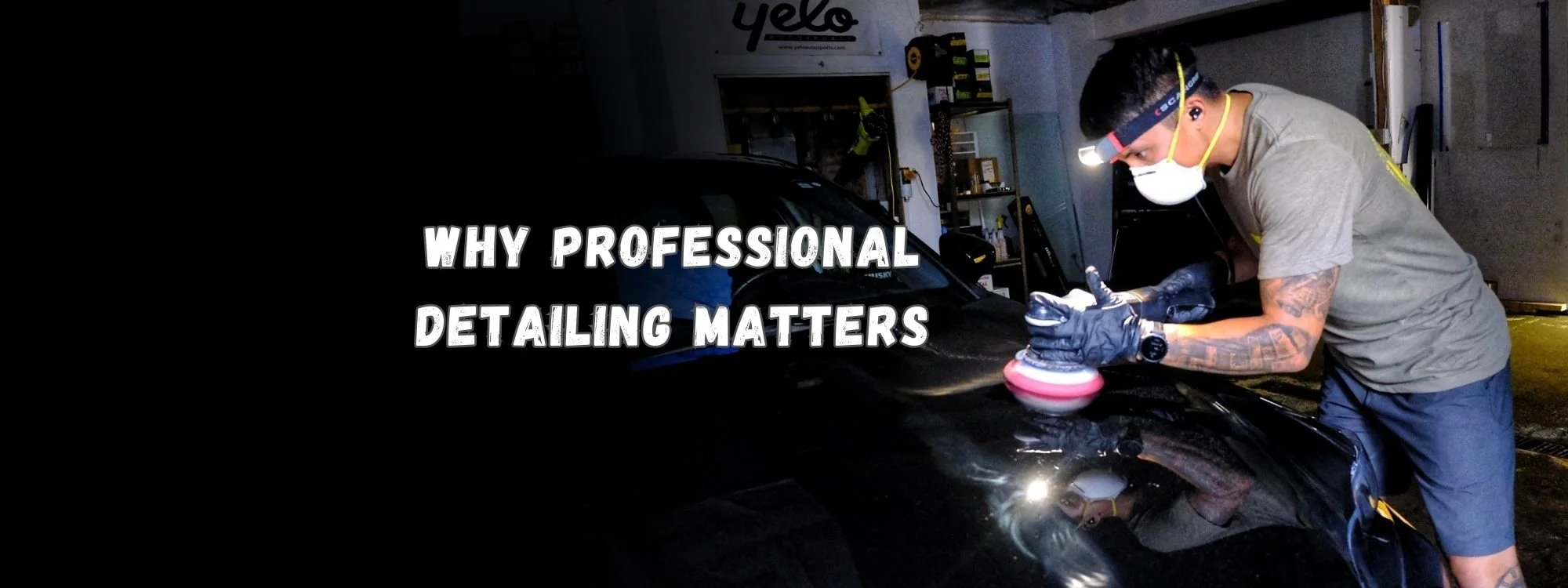
Why Professional Detailing Matters in Minnesota
Living in the Twin Cities means our vehicles face unique challenges. Between heavy salt use, snow, dirt, and fluctuating temperatures, cars in Saint Paul and Minneapolis are exposed to far harsher conditions than in most places. Because of that, choosing the right kind of car care is more than just an appearance decision—it’s a protection and value decision. Below we explain why professional detailing is worth it, how it protects your investment, and when you don’t actually need a full detail.
Express Car Wash vs. Professional Auto Detailing in the Twin Cities
An express car wash is a quick and budget-friendly option for removing surface dirt. It can get your car looking fresh enough for the moment, but it doesn’t provide deep cleaning or restoration. Products are more generic, machines do most of the work, and the result is a basic surface clean—not a true refresh. Another key thing to note, some of these quick wash methods can actually be harmful to your cars paint.
Professional detailing, on the other hand, goes far deeper. It restores and protects surfaces using professional methods and high-grade products. Instead of merely cleaning what’s visible, detailing works to reset your vehicle to the closest possible “like new” condition. This not only improves the look of your vehicle but helps protect surfaces from ongoing wear caused by salt, rocks, UV exposure, and Minnesota winters. As professional detailers, we look at your car as more than just a mode of transportation, but rather as a car being an extension of you.

How Detailing Protects Your Vehicle’s Long-Term Value
Proper detailing helps preserve your vehicle’s value by protecting interior and exterior surfaces as they age. Most vehicles naturally depreciate unless they are rare collector models. However, owners do have control over one thing: overall condition.
A professionally cleaned and protected vehicle:
Shows less wear over time
Preserves paint clarity longer
Keeps interior materials from degrading
Remains far more attractive to future buyers
Whether you drive a daily commuter or a luxury SUV, professional detailing reduces long-term aging caused by winter materials like road salt, sand, and rocks, which are constantly blasting Minnesota cars. Retaining a cleaner, well-preserved vehicle offers a financial benefit and a pride of ownership that makes daily driving much more enjoyable.
When You Don’t Need a Full Detail
Not every vehicle needs a complete detail every visit. Some owners are meticulous and maintain their cars regularly—meaning they don’t need the deepest level of service each time. A professional detailer should always evaluate your vehicle in person to determine what kind of cleaning is actually necessary.
This ensures:
You get the right level of care
You don’t overspend on what you don’t need
Your car receives service based on use, condition, and your goals
Detailing is nuanced, and the right recommendation depends on whether the car is a daily driver, a family vehicle, a sports car, or a newer lease kept in good shape. A proper assessment keeps maintenance targeted, effective, and cost-appropriate.
Harsh Minnesota Winters: Why Detailing Is Protection, Not Luxury
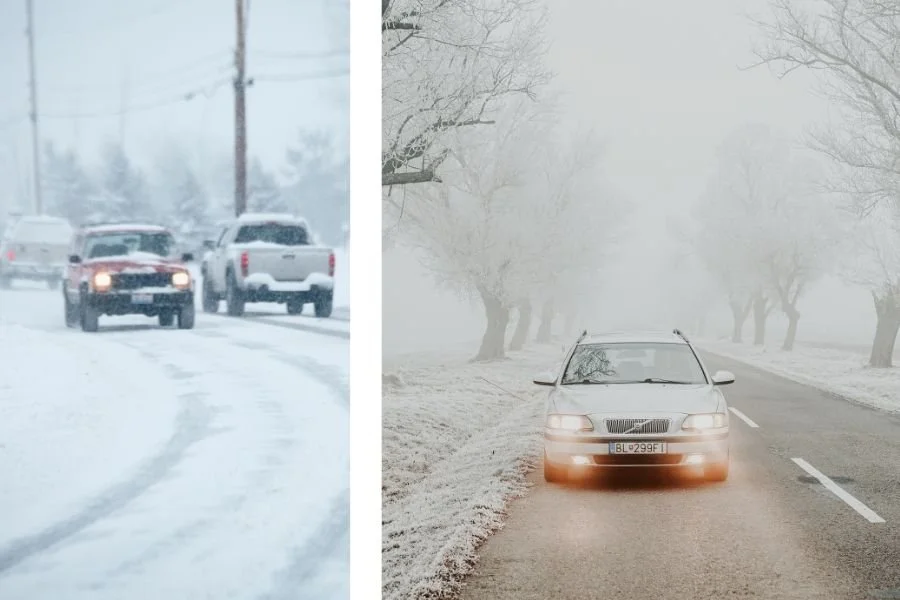
Snow, salt, mud, slush, and temperature swings heavily impact both the paint and interior of cars in the Twin Cities. Because we deal with more salt and corrosive road materials than many other states, our vehicles need more frequent professional cleaning—not just for looks, but for longevity.
Proper detailing through the winter months:
Removes corrosive salt that eats paint and metals
Helps prevent clear coat breakdown
Protects interior surfaces from moisture, grime, and salt stains
Slows down rust, fading, and deterioration
Detailing in Minnesota isn’t just cosmetic—it’s a form of preservation against environmental damage, especially for vehicles experiencing Saint Paul and Minneapolis winter roads every day.
Detailing as an Investment, Not a Luxury
We know vehicles drop in value quickly—many lose around 30% just by leaving the dealership lot. Detailing won’t stop normal depreciation. What it can do is preserve every dollar of your resale value that’s still in your control.
In the private market, where most people sell used cars, a clean and well-preserved vehicle sells faster and closer to asking price. Buyers naturally associate a spotless car with better care, fewer issues, and more reliability—no matter if it’s a sports car or a daily driver.
Detailing protects your wallet in the long run and improves your daily experience behind the wheel. It’s not just about clean surfaces—it’s about preserving what you paid for, driving a car you’re proud of, and maximizing its value over time.