
Why Paint Correction Matters for Your Vehicle (Twin Cities Car Owners Guide)
What does paint buffing mean? What is the difference between a basic machine polish and a true paint correction? Why does the difference matter for your vehicle?
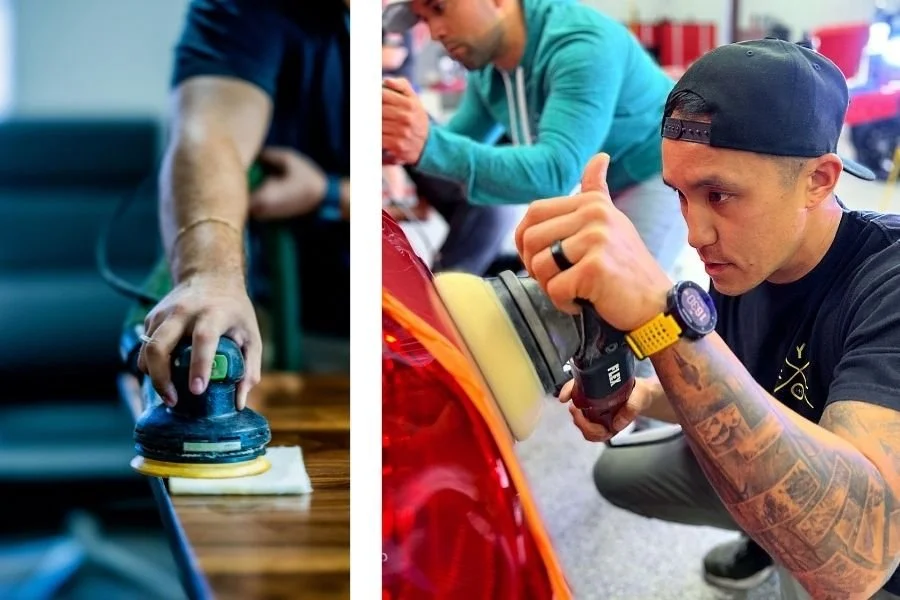
A buff can mean different things depending on someone’s level of experience. At Yelo Autosports here in the Twin Cities, when we talk about buffing, we’re referring to using a dual-action or rotary tool to refine the paint by removing a very small layer of clear coat. However, buffing alone is only one part of the paint correction process.
True paint correction is typically a multi-step procedure. The first step is cutting or buffing the paint to remove surface-level defects such as scratches, swirls, or oxidation. The second step is polishing, which isn’t as aggressive but focuses on maximizing clarity, depth, and gloss. Together, these steps level the clear coat and reveal a much cleaner, sharper finish.
The difference matters because a simple “quick polish” won’t fully remove defects, and the client may not get the clarity and depth they expect. Full paint correction gives them the best possible finish—one that truly looks brand new.
How do paint defects affect the overall look of the car’s paint?
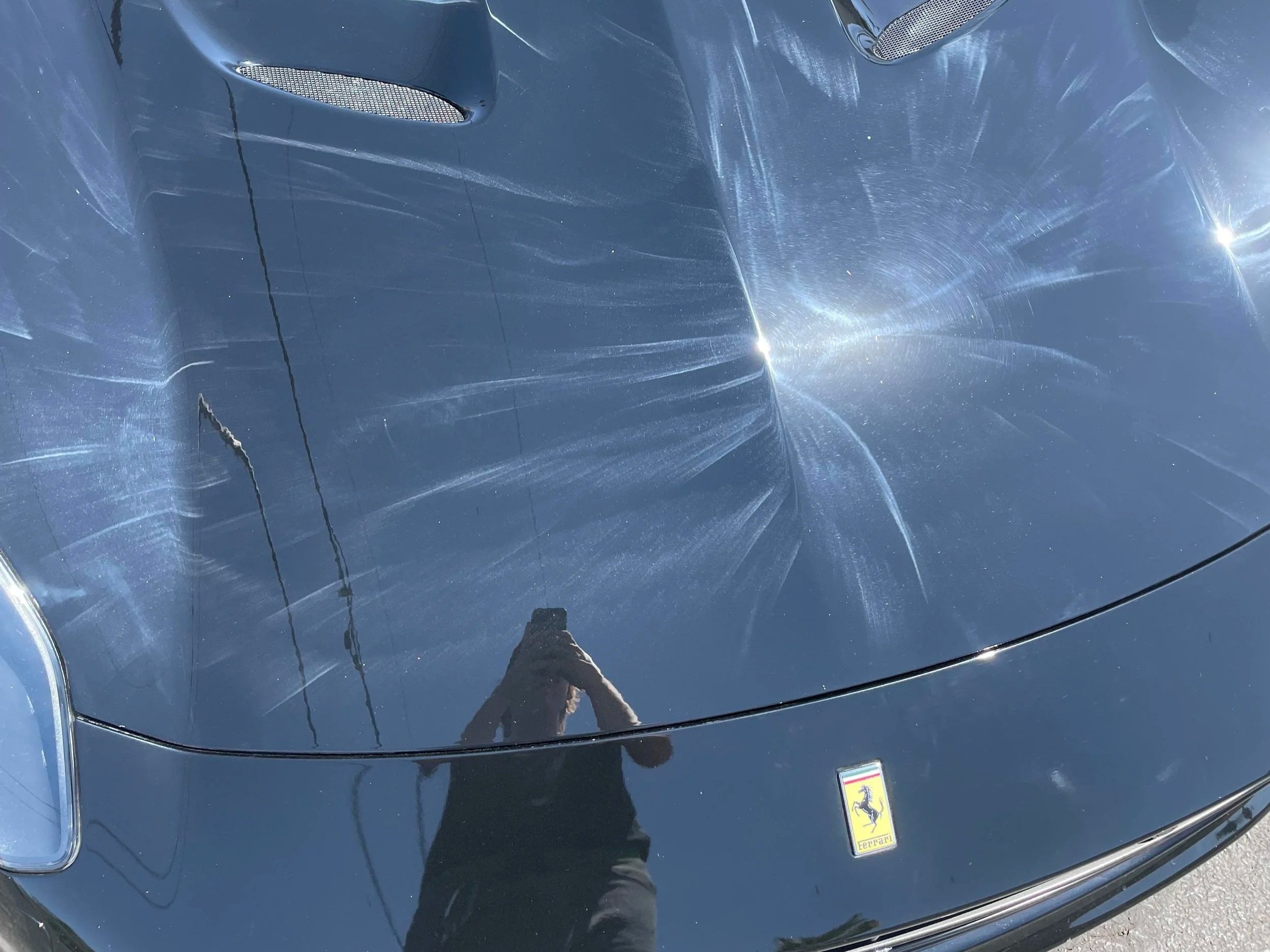
Clean paint means paint that is as free of defects as possible. Defects such as swirl marks, scratches, oxidation from the sun, sap stains, or Minnesota winter salt spots distract the eye from the true color and gloss of the vehicle. When we perform paint correction, we use professional tools to safely remove these surface imperfections and reveal the clean, undamaged paint underneath.
A defect-free finish allows the eye to focus on the true shine, depth, and richness of the color instead of noticing imperfections. This is why a corrected vehicle always looks dramatically glossier and more vibrant—especially under natural sunlight in places like Saint Paul and Minneapolis.
Why can inexperienced polishing permanently damage paint, and how does professional technique prevent thinning or burning the clear coat?
At Yelo Autosports, our team has spent over ten years specializing in paint correction and has worked on thousands of vehicles throughout Minnesota. We’ve also trained internationally to understand how paint systems behave and how much clear coat can safely be removed. This means we know what is realistically achievable, and we communicate that clearly to our clients.
Someone inexperienced can easily burn the paint, thin the clear coat too much, or create hologram damage that requires expensive repair. Our experience allows us to safely maximize results while preserving as much clear coat as possible. We focus on achieving the best finish without compromising long-term paint health.
Why might a new car still need correction?
Even though a vehicle is brand new, many people and environments touch the car before the client receives it—from manufacturing, shipping, storage, Minnesota dealership prep, and test drives. Dealership staff aren’t professional detailers, and they often wash or wipe vehicles without proper technique.
Because of this, brand new cars often arrive with swirl marks, washing scratches, or light surface defects. Our eyes are trained to notice these imperfections immediately, and we correct them so the client can experience the true potential of the paint—something most owners never get to see, even on day one.
Why must paint correction be done before applying ceramic coating?
Technically, a ceramic coating can be applied without correction, but at Yelo Autosports we aim for the highest level of finish and performance. A coating bonds onto the paint and acts as a protective layer. If the paint underneath isn’t corrected, then scratches and haze become permanently “sealed in” for years.
By correcting paint before coating, we remove as many defects as possible, allowing the coating to bond to a flawless, clean surface. This improves durability and ensures the vehicle has a beautiful, long-lasting finish—not just protection.
Why isn’t every vehicle suited for heavy correction? How do we determine when to recommend light polishing, multi-step correction, or no correction?
While we love seeing every vehicle look its absolute best, our job is to make the right recommendation based on the car’s use, condition, and the client’s expectations. We start by asking key questions:
Is the car a daily commuter or show vehicle?
What are the owner’s habits?
What condition is the paint in?
What is the client hoping to achieve?
Not every car needs multi-step correction, and some vehicles don’t have enough healthy clear coat left for aggressive work. Our responsibility is to balance the best visual result with long-term paint health and the client’s goals. Our recommendation is not based on selling the most expensive service, but on doing the right service.